The possibility of living dramatically longer lives has moved from science fiction to active debate among leading researchers.
According to Scientific American, genetic advances are rapidly revealing the roots of aging, with some scientists suggesting upcoming breakthroughs may one day permit lifespans far beyond current limits.
Longevity specialist João Pedro de Magalhães stated that if “we can crack key genes, extreme longevity is theoretically possible.”
The Longevity Debate

While medical advances have stretched our lifespans, researchers now warn that progress is plateauing. William Mair, a specialist at Harvard, stated that while “average life expectancy keeps rising, our biological limits remain unchanged.”
With the world’s oldest documented individual, Jeanne Calment, reaching 122, scientists hope that advances in aging biology will push us even further.
Ancient Aspirations

Immortality has intrigued humanity for millennia. Ancient myths, legends, and epics seem to echo the peak that modern scientists seem so eager to reach.
Today, state-of-the-art genomic tools appear to be making that climb more tangible, with recent reviews suggesting that targeting aging gene networks, like DNA repair, might be the answer to long life.
The Evolutionary Clock

The question of why we age might be as old as the pursuit of immortality itself. Researchers have suggested that a prehistoric genetic event, “the longevity bottleneck,” might have something to do with it.
The “bottleneck” holds that the prehistoric genetic event, possibly linked to dinosaurs, left mammals with fewer DNA repair enzymes. Scientists are looking into long-lived animals, such as bowhead whales, to help shed light on how humanity can unlock radical life extension.
The Big Reveal
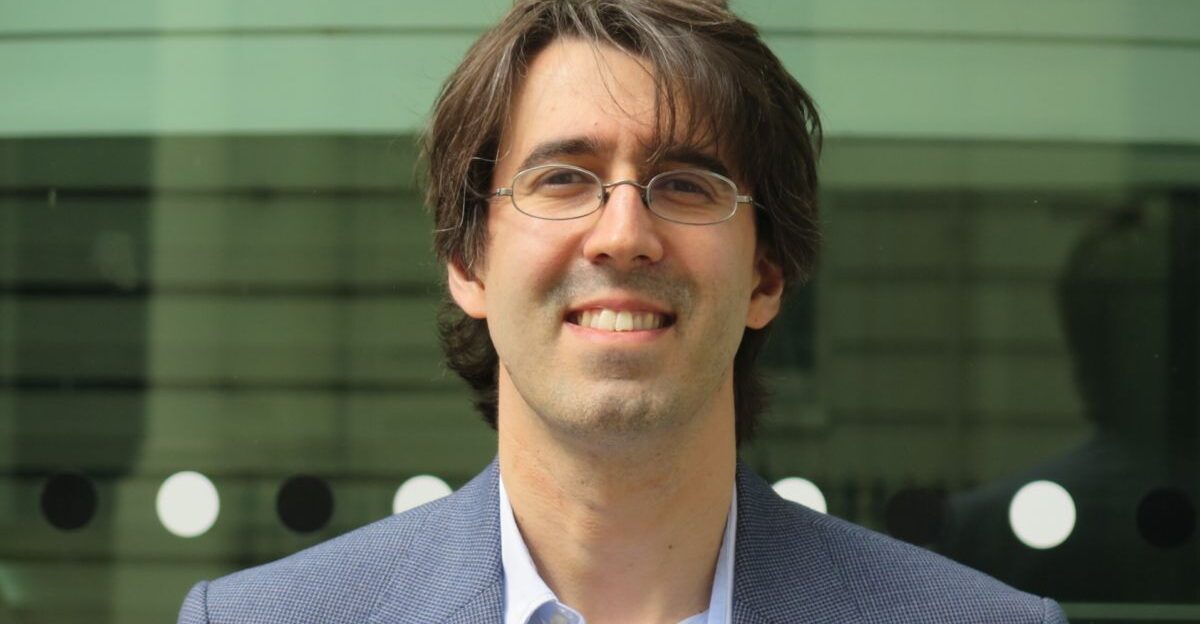
Specialist João Pedro de Magalhães projects that humans can live up to 1,000 years. His view is that decoding the genetic puzzles of aging is the key.
Working from his lab in Birmingham, he says that “curing aging is scientifically possible—it’s not the most challenging goal in bioscience.” Even so, he maintains that actual clinical breakthroughs are still distant.
Species That Defy Time

Mammals like the naked mole rat can reach upto 37 years, which is far longer for animals their size. On the other side of the size spectrum are bowhead whales, which can push over 200 years.
Both species express genes optimized for DNA repair, slow metabolic aging, and resistance to cancer. Such natural models can help us unlock the secrets of extending our lifespan.
The Human Face of Hope

“I’m optimistic we’ll develop medications like statins—not for cholesterol, but for longevity,” said de Magalhães.
What’s even more interesting is that the Integrative Genomics of Ageing Group sees a future in which humanity will view aging as an infection that can be fought off through medical attention and care.
The Biotech Boom
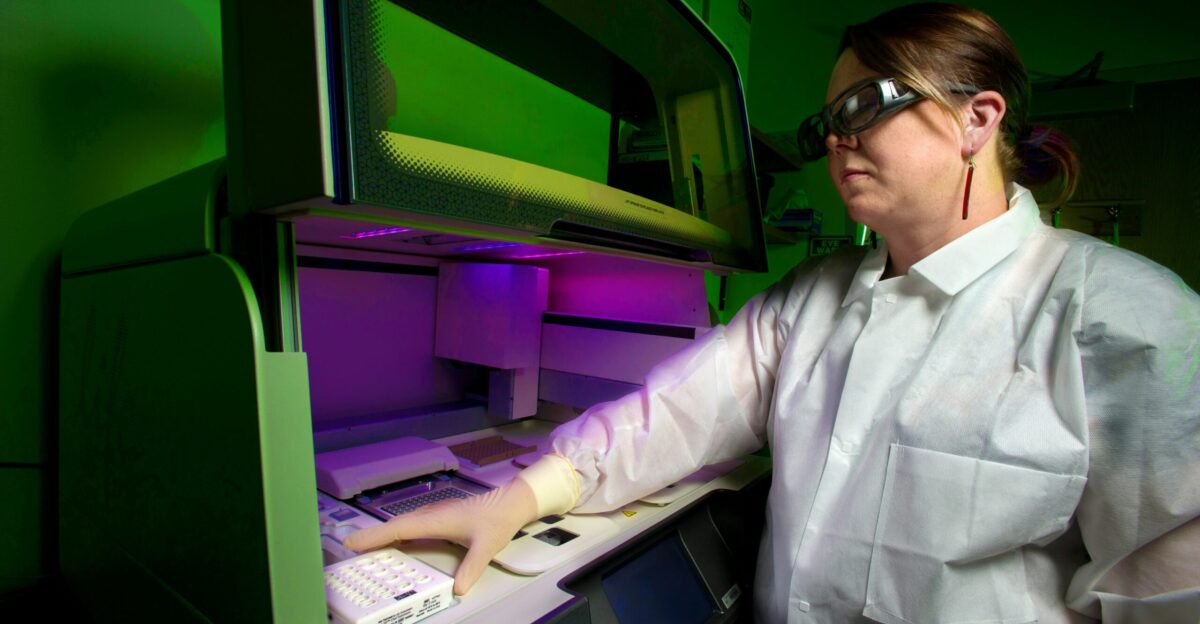
The race to discover anti-aging therapies is already underway, with biotech companies taking the lead. From gene editing to cellular reprogramming, many of these companies are fully committed to seeing this goal through.
Alto Labs is already developing partial epigenetic reprogramming to reset aging cells. Its specialists are already running tests on mice with promise.
Life Expectancy Plateaus

Many countries now have their citizens living to about 80 years of age. A recent study in Nature Aging found that slowing aging is the best way to increase a person’s maximum lifespan.
According to researchers, “Humanity’s battle for a long life has mainly succeeded, but future progress depends on slowing aging’s underlying biology.”
Rapamycin’s Promise
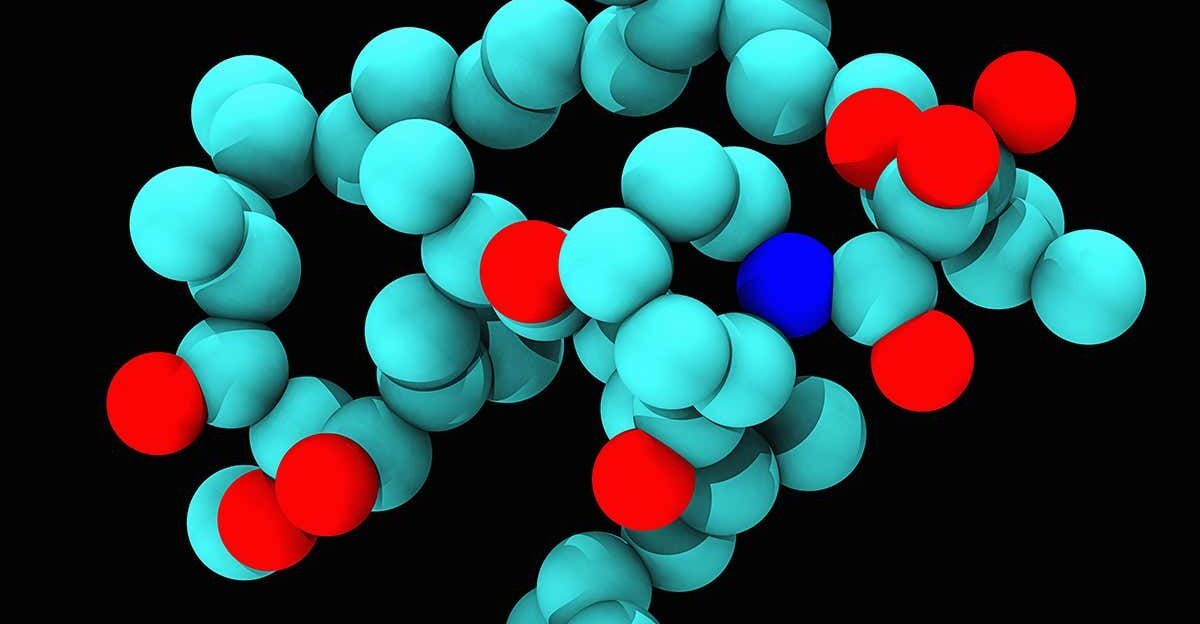
While the immunosuppressant drug Rapamycin showed health benefits in human trials, it didn’t extend lifespan as it has in mice trials.
The trial lead, Dr. Sajad Zalzala, observed that “the data suggest some longevity benefit, but more work is needed.”
*Editor’s Note [September 17, 2025]: This article originally misspelled the name of the PEARL trial’s lead researcher. The correct spelling is Dr. Sajad Zalzala. We regret the error.
Skeptics Sound Off
More trials are still in order. Success in animal trials doesn’t translate to success in human trials.
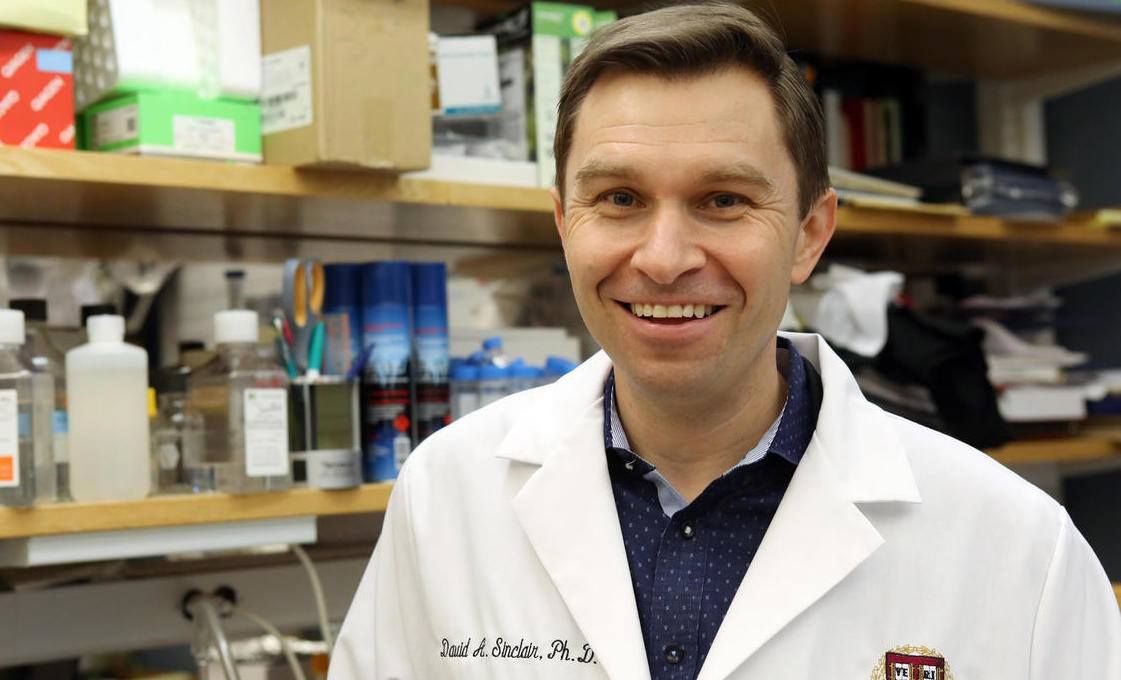
Harvard-based Dr. David Sinclair says, “No intellectual reason prevents breaking the current human lifespan limit, but public health hasn’t done it yet.”
Public Sentiment

Interestingly enough, not everyone is stoked about radical life extension. According to Pew Research, only 40-45% of Europeans and Americans would be interested in treatments aimed at extending life.
Factors like social disruption and fairness, and health quality are among the worries that many people harbor. Even if openness and acceptance rise, it is still unclear whether there will be demand.
Resetting the Clock
At the core of epigenetic reprogramming is resetting aging cells. While human trials haven’t been greenlit yet, many startups are pushing the frontier.
Dr. Juan Carlos Izpisua Belmonte says, “Cellular rejuvenation could alter aging rates and increase overall healthspan.”
DNA Repair Breakthroughs
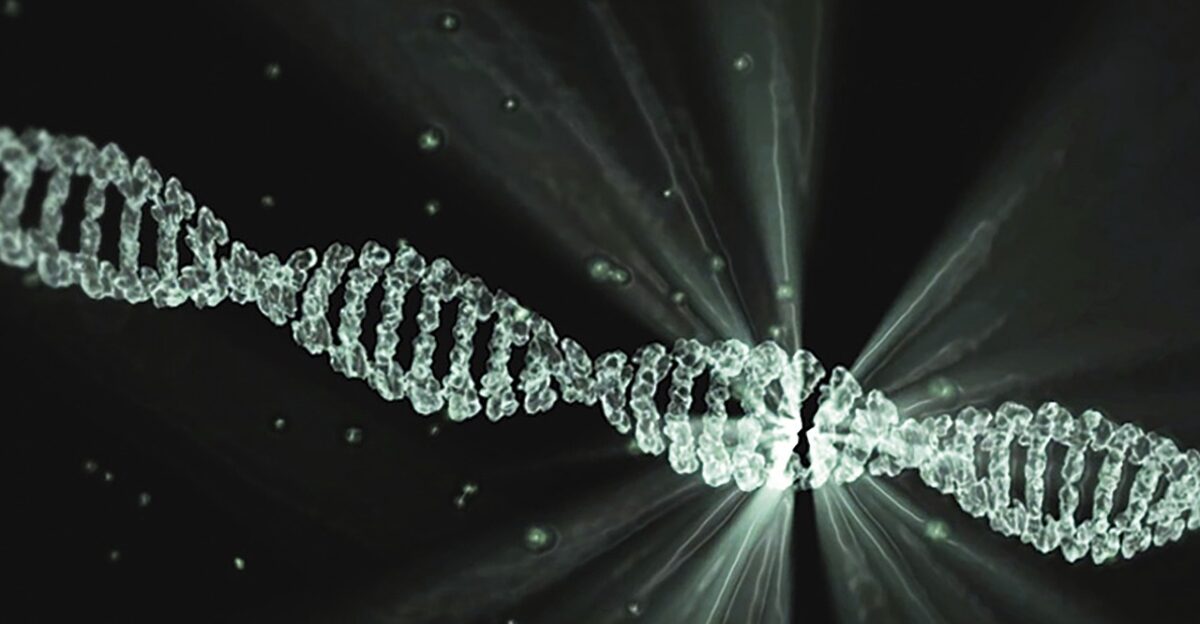
In mice, we are already seeing enhanced DNA repair and reversal of premature aging symptoms thanks to new compounds, such as KIF2C agonists.
Research at Oxford has shown that the SPRTN protein accelerates the repair of age-related DNA lesions, which might be useful in therapies aimed at curbing cancer and aging.
Digital Health Futures

Scripps researchers predict the discovery of optimal drug combinations that will allow us to lengthen our healthspan.
And all this will be made possible through AI models.
Policy Dilemmas

With regards to radical life extension unsettling facets such as healthcare and social safety nets, Harvard’s William Mair says, “Policy frameworks have not anticipated dramatically longer lives.”
New regulatory issues may arise from factors such as balancing drug costs and ensuring safety and equality across the board.
Global Ripple Effects

Currently, countries such as Japan and Germany, with their declining workforce, are in need of such advancements, which could shift demographics and reshape retirement.
However, it is important to note that said advancements will affect aspects such as migration in such regions.
Legal and Ethical Questions

Access to longevity drugs poses major questions, from clinical safety to informed consent and inequity.
Bioethicist Dr. Arthur Caplan insists on careful, transparent regulation, stating, “We must ensure society benefits fairly—with science guided by public values.”
Cultural Transformation

In society, values surrounding identity, family, and work could see changes if humanity were to unlock longer lifespans.
People will see life quite differently from how we do now, leading to new understandings of what it means to be alive.
Not Beyond Science’s Reach

At the moment, reaching 1,000 years is still theoretical. Even so, that ancient dream still burns within every scientist working hard to see it brought to life.
As per João Pedro de Magalhães, “Radical life extension is a challenge—but it’s not beyond science’s reach.”
Sources:
“‘Living to 120 and Beyond: Americans’ Views on Aging, Medical Advances and Radical Life Extension.’” Pew Research Center, Aug 2013.
“‘Life expectancy may be reaching upper limits—for now.’” Harvard T.H. Chan School of Public Health (interview with William Mair), 29 Apr 2025.
“Yudushkin, I. et al. ‘Influence of rapamycin on safety and healthspan metrics in a normative aging cohort: results from the PEARL trial.’” Aging (Albany NY), 3 Apr 2025.
“Yücel, A.D. et al. ‘The long and winding road of reprogramming-induced rejuvenation.’” Nature Communications, 1 Mar 2024.