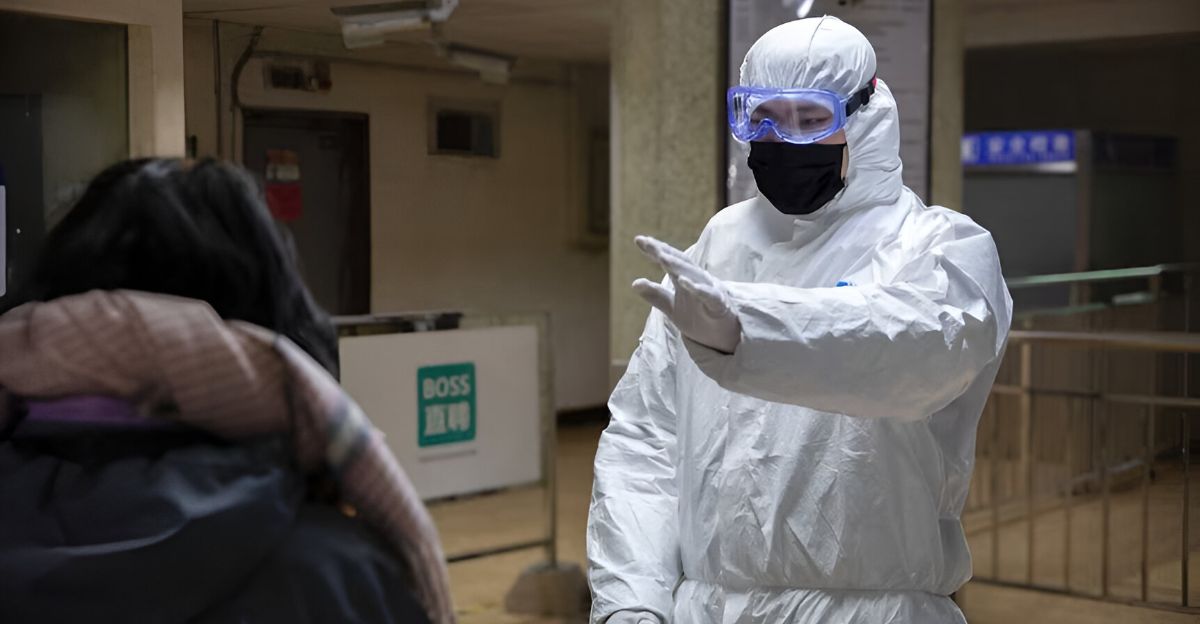
In the summer of 2025, a new mosquito-borne virus called chikungunya spread quickly through China’s Guangdong Province, especially the city of Foshan. With more than 8,000 people infected since June, this has become the largest outbreak of chikungunya that China has ever faced.
The main reason for the explosion in cases was unusually heavy rainfall, which left behind lots of stagnant water, the perfect breeding ground for mosquitoes.
As virologist Prof. Roger Hewson observed, “A significant chikungunya virus (CHIKV) outbreak is currently ongoing in Guangdong province… Authorities have responded with containment strategies reminiscent of COVID-19 measures, including household-level inspections, enforced bed-netting, and fines for non-compliance with mosquito control”.
Travel Alerts Issued
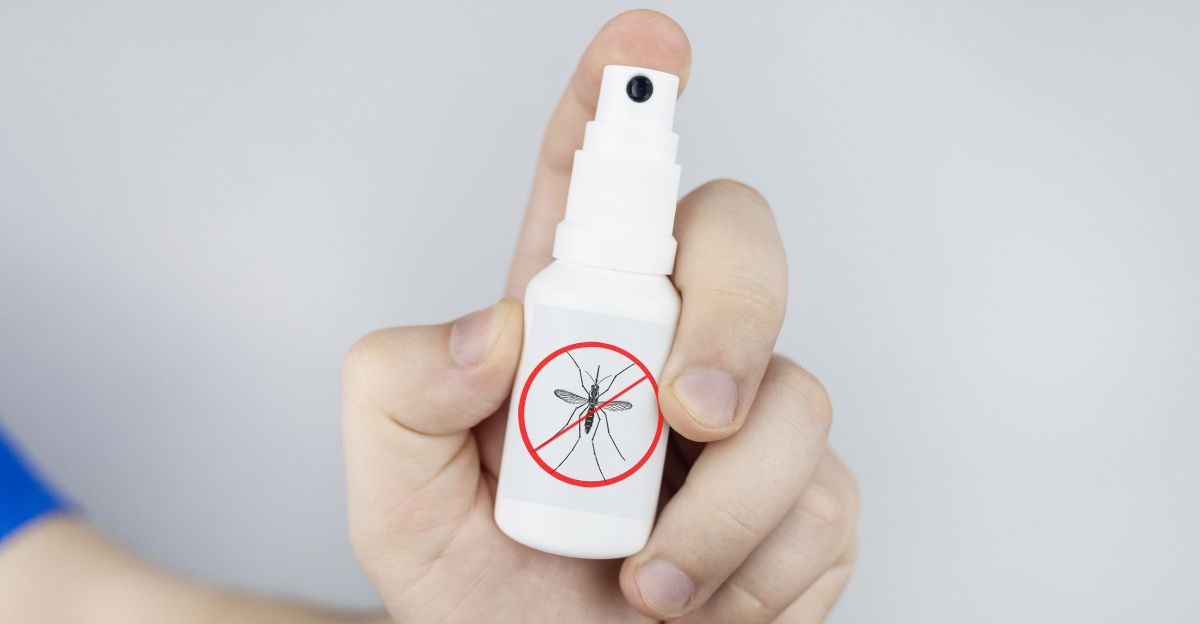
Because the outbreak spread so quickly across several cities in Guangdong, health experts outside China started asking travelers to be careful. On August 1, the U.S. CDC warned people heading to Guangdong to take stronger safety steps, like putting on insect repellent and wearing long sleeves and pants.
The alert was unusual because China had never dealt with this level of chikungunya transmission before. The CDC also reminded travelers that mosquitoes spread the virus, and stopping bites was the best protection.
A CDC spokesperson noted, “The CDC is aware of the reported chikungunya outbreak in Guangdong Province in China… The current surge began in early 2025, with major outbreaks…”
A Global Health Perspective
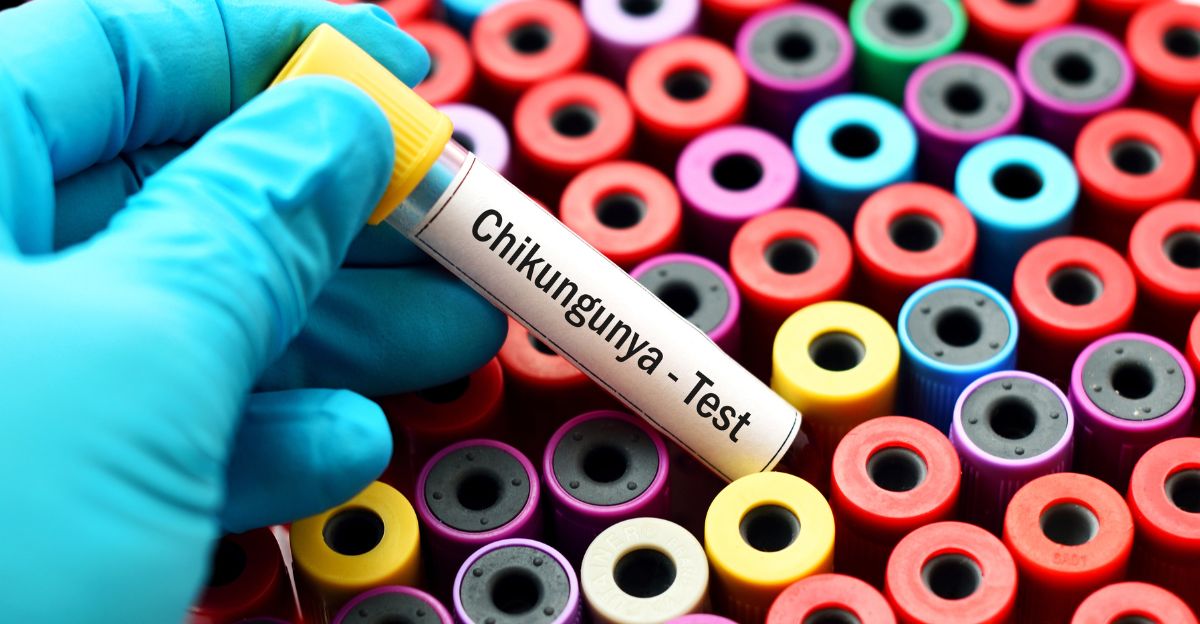
Chikungunya has become a worldwide problem. In just the first half of 2025, about 240,000 people caught the virus in 16 different countries, and about 90 people died.
It’s no longer just a tropical problem, climate change and wetter, hotter summers are helping the mosquitoes that carry chikungunya expand into new areas, like Europe, which has had a record number of outbreaks this year. Health officials are worried that similar outbreaks could happen anywhere, not just in the tropics.
Reflecting this concern, the World Health Organization has issued an urgent call for action to prevent a repeat of past epidemics, warning that global warming is accelerating the risk and spread of mosquito-borne infections worldwide.
China’s Zero-Tolerance Response
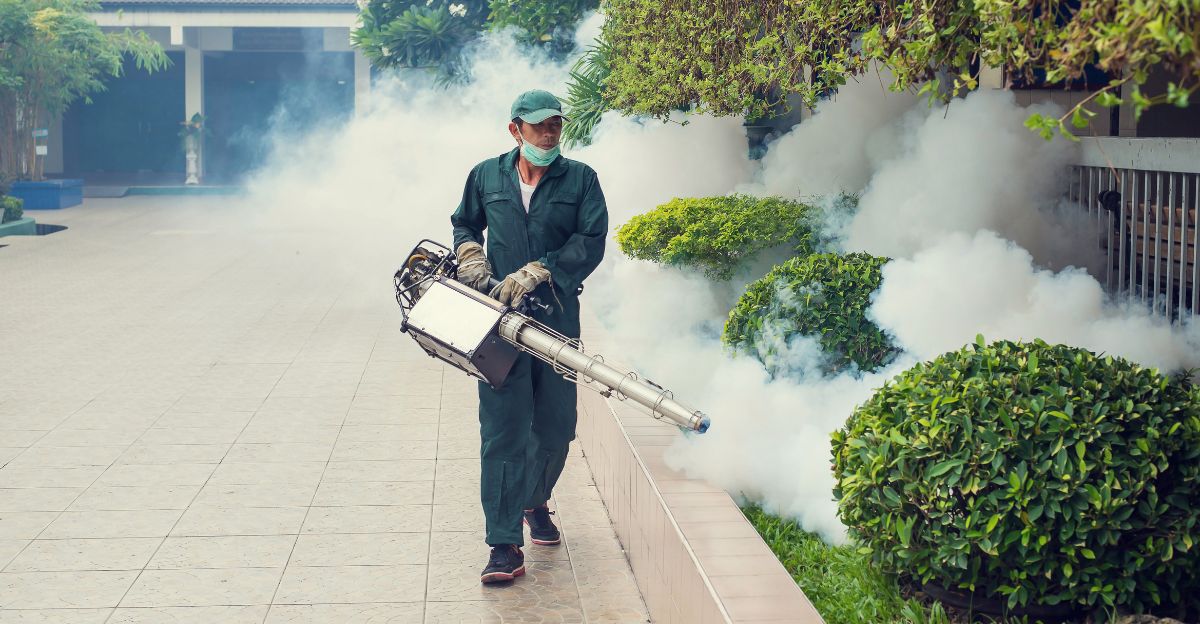
China rolled out a tough response. City workers sprayed insecticide all over public places, and anyone with symptoms had to get checked immediately.
Infected people often had to stay isolated under nets to prevent mosquitoes from biting them and spreading the virus to others. If someone did not clean up standing water around their home, they could be fined up to 10,000 yuan and, in some cases, have utilities cut off.
These strict rules were similar to those used for COVID-19 but focused on anything that might help mosquitoes breed.
Chief expert Liu Qiyong of China’s CDC explained, “The outbreak was fueled by warmer weather this year and a rapidly spreading strain of the virus”.
The Virus Explained

Chikungunya gets its name from a word that describes how victims can be bent over from joint pain. The illness often starts with high fever and aches, and the pain can last for months or even years, especially in the joints.
The main mosquitoes spreading it are Aedes aegypti and Aedes albopictus, which also carry other serious diseases. While most people recover, some can get very sick. Hospital officials report that most China cases so far have been mild, but that hasn’t stopped anxiety about just how painful the long-term effects can be.
On the clinical impact, Prof. Tom Solomon stated, “Most people infected with the chikungunya virus develop a sudden fever, headache, joint pains, and a rash. While the majority recover within a week, a small proportion experience serious complications such as encephalitis… In addition, some individuals develop long-term arthritis that can last for months or even years. The elderly, the very young, and those with underlying health conditions are more vulnerable to severe disease”.
Epicenter Under Siege

Foshan, a vast city of almost 10 million people, was at the heart of China’s chikungunya crisis. Over 4,200 infections occurred here, representing around 60% of all cases in China.
The city’s packed neighborhoods and busy factories made it easy for the virus to take off, especially after weeks of heavy rain left puddles everywhere. Hospitals and local health centers had to adjust quickly, setting up isolation units and sending teams door to door to educate residents.
The virus even spread to Hong Kong; when a boy got sick after visiting Foshan, it highlighted how outbreaks can cross borders.
The Human Toll

At the start, most people who got sick had fevers and serious, often disabling joint pain; lots also got rashes. But the toll didn’t stop when the fever was gone.
Roughly 25% of people keep having joint pain years later, which can make it hard for them to work or take care of their family. Many say they struggle with daily discomfort and even depression linked to their symptoms.
The unknowns around long-term recovery have led to many worries for individuals and the wider community.
Costs and Consequences

When so many people in a vital economic area get laid up by illness, the impact ripples far beyond local hospitals.
During this outbreak, some factories in Guangdong have had to change work schedules, and there have been warnings that manufacturing slowdowns could hurt businesses worldwide. Past outbreaks in other regions have cost tens of millions in lost wages, hospital bills, and tourism.
Travel companies across Southeast Asia have been adjusting insurance policies, and local economies that depend on factory output or tourism are especially worried about the effects if the outbreak worsens.
Unraveling the Outbreak

Researchers sequenced virus samples and found they all came from the same subgroup linked to Central Africa. Once chikungunya appeared in a crowded city like Foshan, it spread rapidly.
Climate also played a part: flooding and high heat brought a bumper crop of mosquitoes. Experts point out that the local population’s lack of immunity meant nothing was stopping the virus from exploding in numbers.
Dr. César López-Camacho remarked, “The outbreak in China is a clear reminder that when a virus enters a population without existing immunity, outbreaks can escalate rapidly. This highlights the urgent need for vaccines that provide broad, cross-lineage protection, and for ongoing surveillance to track how these viruses evolve.” sciencemediacentre
Vaccination Challenges and Advancements

Vaccines are now part of the global fight against chikungunya, but in China, things got complicated.
The first vaccine was paused for a while after some older adults had harmful side effects, but then it was brought back for those at the highest risk. A new vaccine was approved for teenagers and older adults, and health officials are trying to get it out to as many people as possible.
At the same time, scientists are monitoring the virus for changes so that new vaccines can be developed if necessary.
Unconventional Tactics
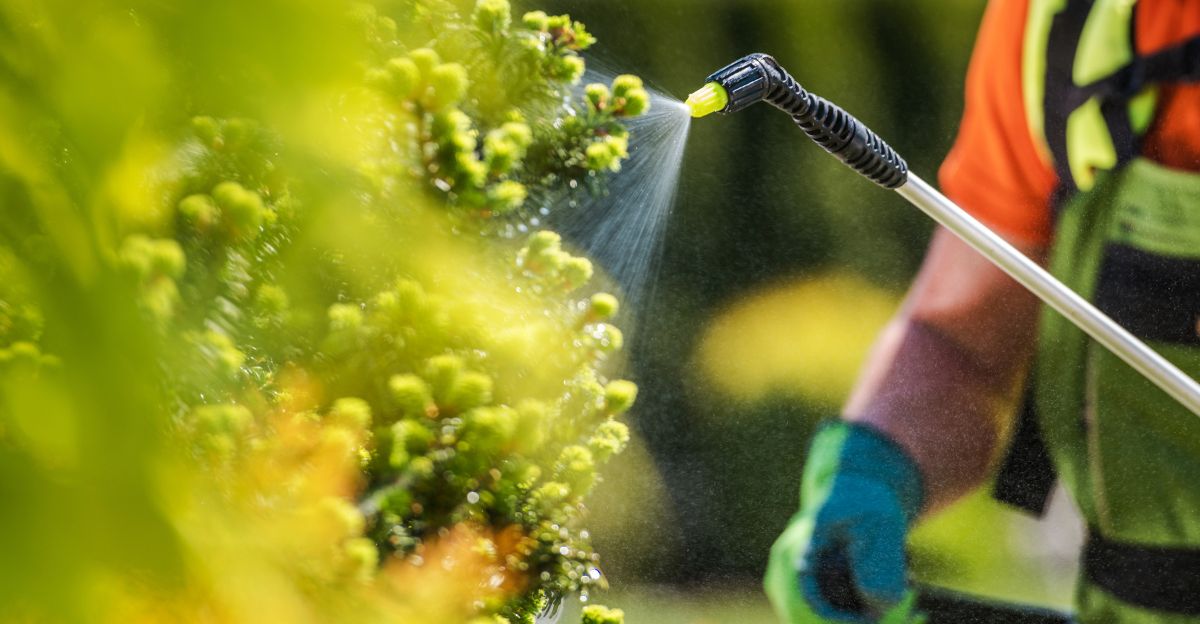
In addition to regular insecticides, officials tried new tactics, such as releasing large “elephant mosquitoes” whose main job is to eat the mosquito larvae that spread disease and using fish for the same purpose in lakes and ponds.
Teams of health workers and community volunteers went through neighborhoods, looking for standing water in flowerpots, rooftops, household appliances—frankly, anywhere mosquitoes might lay eggs.
Drones and innovative mapping tools helped find hard-to-reach breeding spots fast, so they could be treated before mosquitoes became a problem.
Specialized Medical Protocols
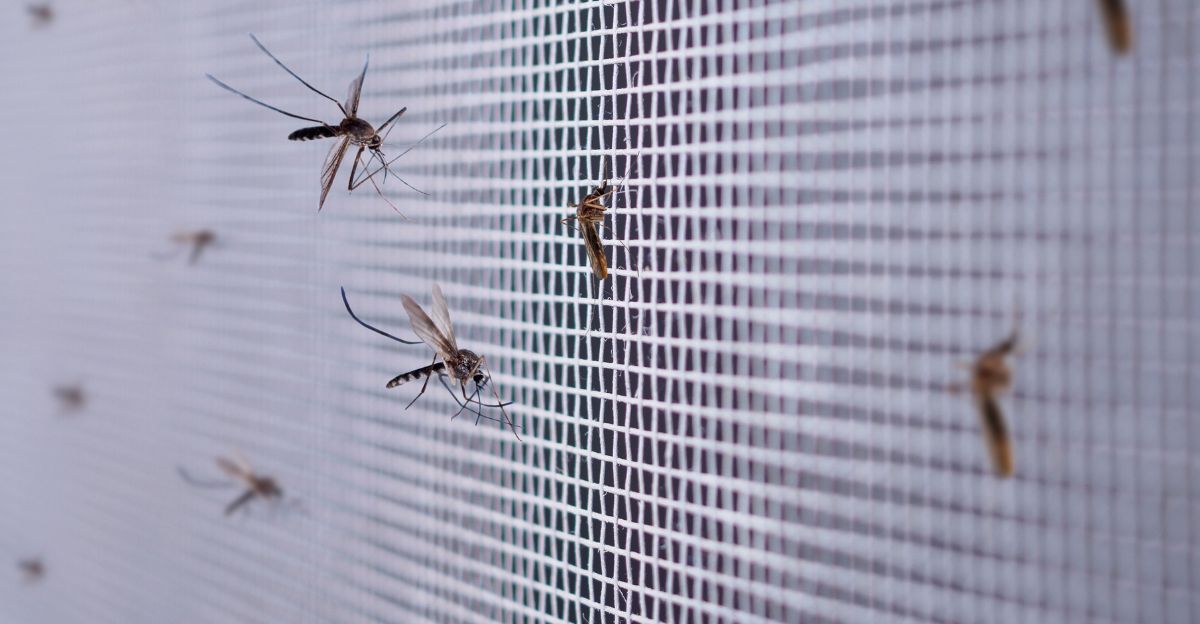
Anyone sick had to stay isolated, behind window screens or bed nets treated with insecticide, so healthy mosquitoes couldn’t bite them and catch the virus.
Health workers also went to patients’ homes and workplaces to kill mosquitoes in a “bubble” around each case, reducing the chance of further spread.
Supportive treatment, focusing on hydration, rest, and pain relief, was the main approach, but hospitals remained alert for anyone needing extra help with ongoing symptoms.
From Peak to Containment

After the sharp increase during July, numbers started to drop thanks to these aggressive measures. On July 19, there were 674 new cases in a single day, but by August 25, daily numbers were under 50 for over a week.
Officials decided to step back from the most severe restriction measures. However, they are still telling everyone to keep mosquito control and look out for new clusters, as the weather and environment remain ideal for more outbreaks if efforts slip.
Global Collaboration

This outbreak has been a real-time test for China’s public health system. Unlike the early 2000s SARS outbreak, this time, China published regular updates and worked with other countries’ health agencies.
That openness helped experts worldwide plan better prevention for their own populations. Still, some people wonder if shutting down neighborhoods, as happened in some places, is justified for a disease spread only by mosquitoes.
Climate Change and the Mosquito Frontier
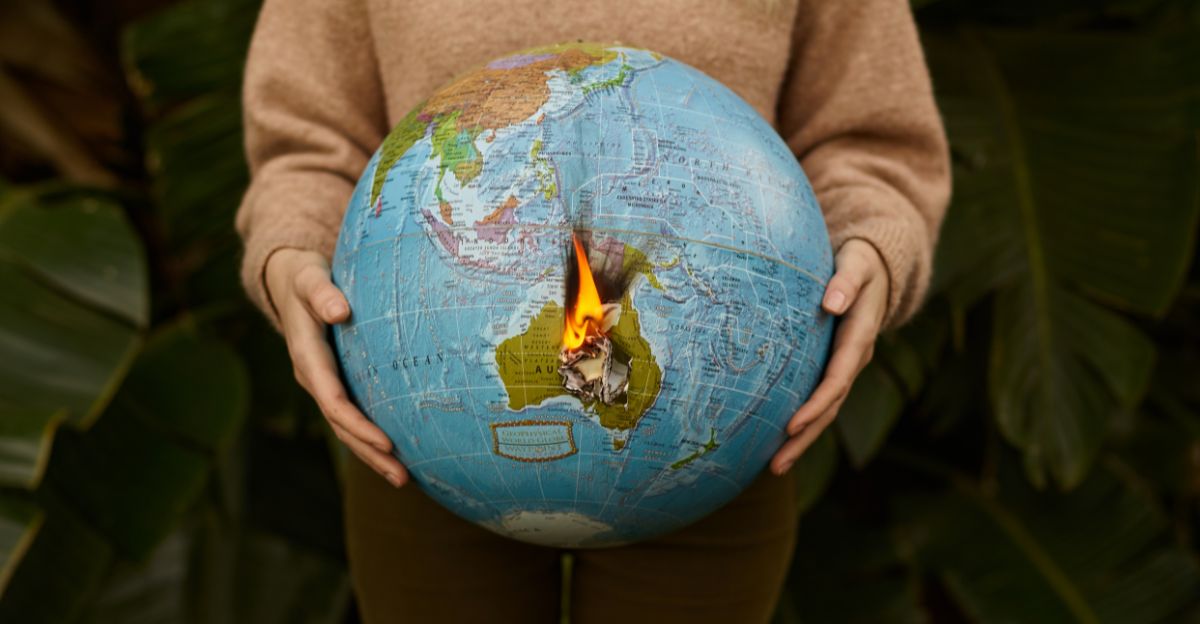
The Guangdong outbreak is part of a bigger picture: new mosquito habitats are opening up as the planet warms. Mosquitoes that never would have survived in places like Europe or the U.S. before can now thrive and spread viruses like chikungunya.
Health authorities in several countries are stepping up their planning and control, knowing that what happened in China could easily repeat elsewhere.
As Prof. Roger Hewson put it, “Ongoing surveillance, vaccine accessibility, and vector control remain essential to mitigating the threat posed by this increasingly global arbovirus” sciencemediacentre
Policies and Surveillance

China is writing new rules to keep up with changing disease risks, including higher fines and penalties for property owners who don’t remove mosquito breeding grounds and strict reporting by hospitals.
On the international stage, the World Health Organization and the European Union have quickly updated their monitoring and response plans, investing in new vaccines and encouraging more tracking to catch outbreaks early before they spread.
Industry Impact

Manufacturing and logistics companies in the Guangdong region had to react quickly. Some put up mosquito barriers, changed work hours to avoid mosquito “rush hours,” and improved health checks.
The outbreak clarified that diseases like chikungunya can significantly affect the global economy’s powerhouse industries. Travel and insurance companies also had to warn customers and tweak their policies around outbreaks.
Social Debate

People across China shared stories online, some calling the government’s approach fast and effective, and others saying it was too extreme, like a new COVID-style lockdown.
Rumors and misinformation also circulated about how chikungunya spreads, so health officials doubled down on public education campaigns, using TV and the internet to share clear, accurate information so people would know what to do.
Lessons from the Past

The response to chikungunya has been different from the SARS epidemic of 2003. Faster reporting, public updates, and strict action limited the damage and stopped the disease from spreading as widely.
Experts are now watching to see if these controls can help avoid significant long-term economic harm, a big problem with SARS, which cost China billions.
Preparedness in a Changing World
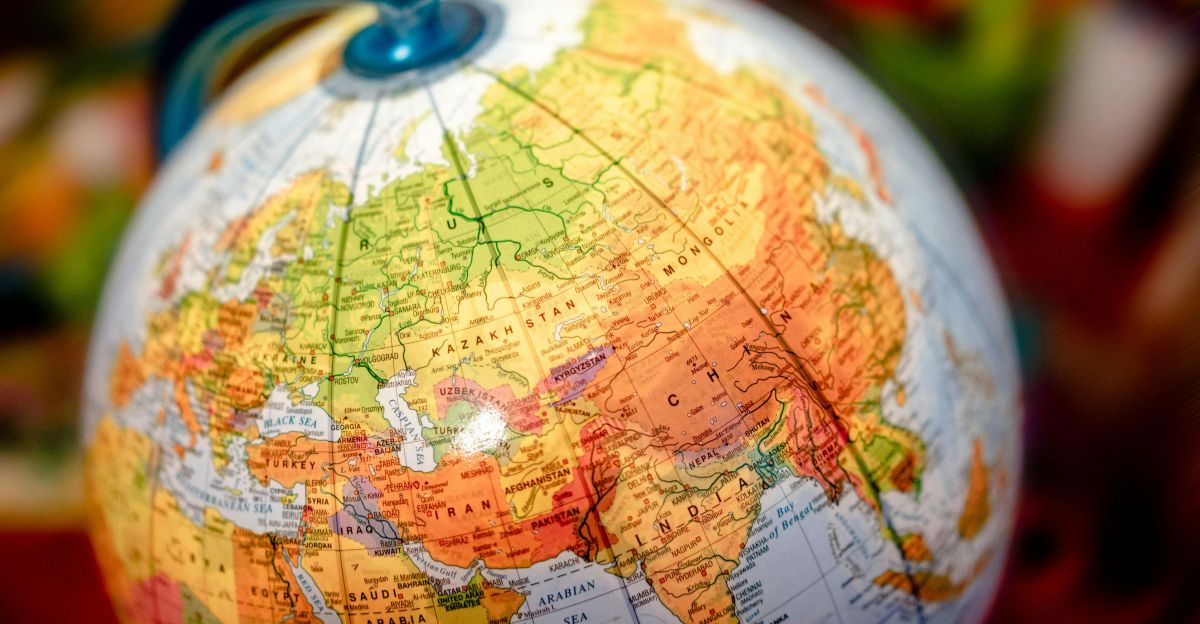
China’s experience with chikungunya is a heads-up for the world: it is possible to contain a new health threat, but success depends on moving fast, using the latest science, and keeping the public informed and involved.
With changing weather and more global travel, the next significant outbreak might be just one rainy season or one flight away, so planning, coordination, and ongoing surveillance everywhere have never mattered more.